Waterproofing Basements in Older Homes
People searching for waterproofing basements in older homes often want to prevent leaks and damage, and local contractors can provide expert solutions to keep basements dry and secure.
Homeowners with older properties often face unique challenges when it comes to maintaining a dry and stable basement environment. If your older home has experienced issues like leaks, dampness, or water intrusion, exploring waterproofing solutions can be a practical step toward protecting your investment. Understanding the importance of proper basement waterproofing can help prevent structural damage, mold growth, and other costly problems down the line. Local contractors specializing in basement waterproofing services are equipped to assess these specific needs and recommend effective solutions tailored to older homes.
Continuing to read can provide valuable insights into the benefits of professional waterproofing and how it might address common concerns for property owners in the area. Whether you’re considering repairs or planning for future stability, connecting with experienced service providers can make a meaningful difference. These local experts understand the unique conditions of older homes and can offer practical, reliable options to keep basements dry and secure.
- Waterproofing basements in older homes - homeowners noticing persistent dampness or water intrusion during heavy rains can rely on local contractors to assess and address existing foundation issues.
- Waterproofing basements in older homes - when cracks or deteriorated foundation walls are present, service providers use specialized sealing and drainage solutions to prevent future leaks.
- Waterproofing basements in older homes - property owners planning renovations or upgrades often seek local experts to ensure a dry, stable basement environment before starting work.
- Waterproofing basements in older homes - homes with signs of mold or musty odors may benefit from professional waterproofing to improve indoor air quality and prevent structural damage.
- Waterproofing basements in older homes - local service providers can recommend and install effective waterproofing systems tailored to the unique needs of aging foundations.
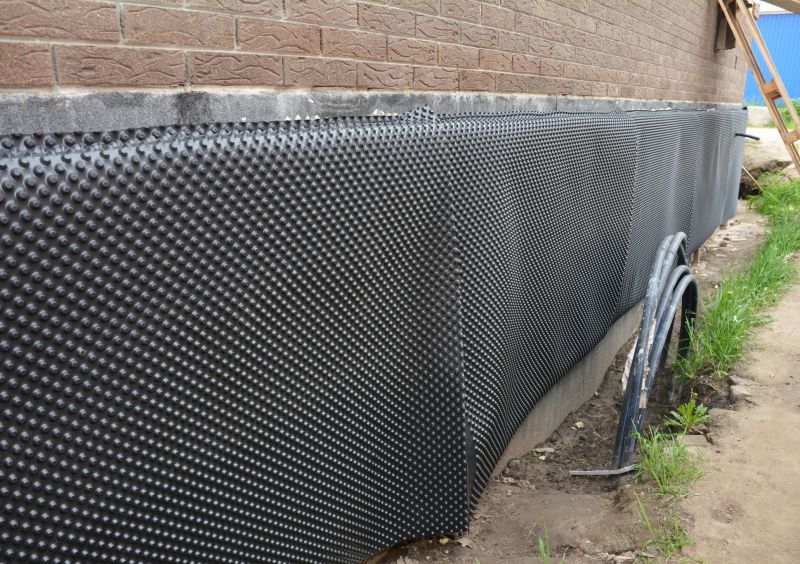
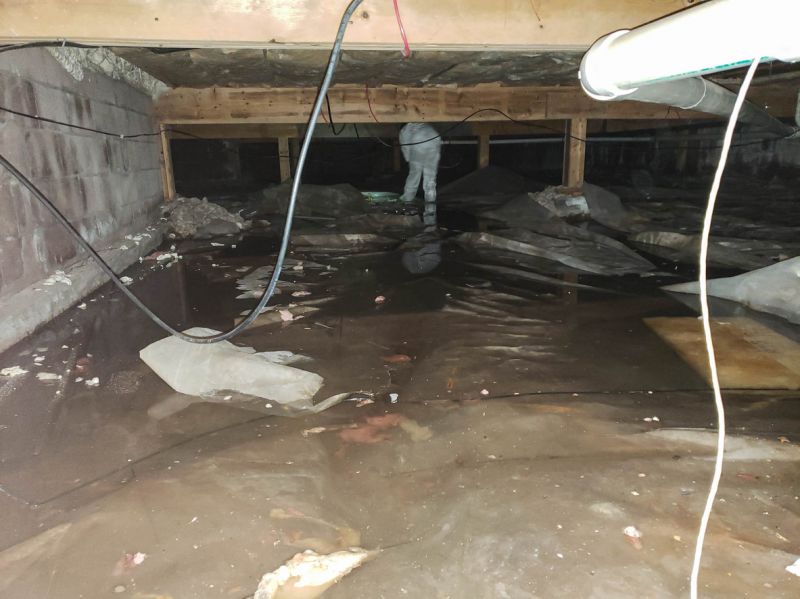
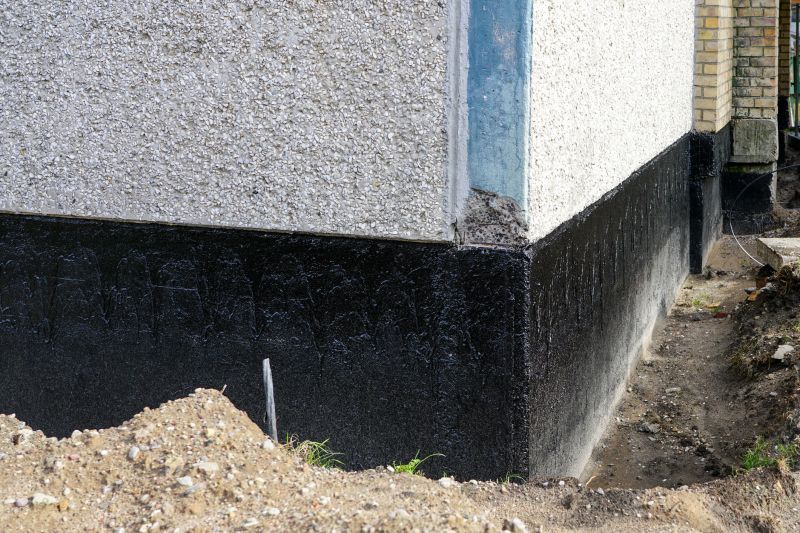
When homeowners search for information about waterproofing basements in older homes, they are often looking to address longstanding issues related to moisture, leaks, or water intrusion that have developed over time. These searches typically stem from concerns about rising dampness, mold growth, or structural damage caused by water seepage through foundation walls or floors. Many property owners are exploring waterproofing as part of a broader effort to protect their investment, improve indoor air quality, or prepare the home for future renovations. Understanding what waterproofing involves and how it can remedy existing problems is essential for those dealing with persistent dampness or planning upgrades to make their basements more functional and dry.
Problems related to water intrusion in older homes often include foundation cracks, poor drainage around the property, or outdated waterproofing systems that no longer perform effectively. These issues can lead to water seeping through basement walls or floors, causing damage to stored belongings, fostering mold growth, and weakening the structural integrity of the foundation. Plans for waterproofing in these homes frequently involve repair work to address existing cracks, installation of new drainage systems, or applying specialized sealants and membranes. Homeowners may also consider waterproofing during major renovations or basement finishing projects, aiming to create a dry, usable space that withstands future water-related challenges.
Older properties that come up in searches for waterproofing basements tend to include historic homes, early 20th-century constructions, or houses built on less stable soil types. These homes often feature original foundation materials, such as stone or early concrete, which may have deteriorated over time or become less resistant to water. Additionally, many older homes lack modern drainage or waterproofing layers, making them more vulnerable to moisture problems. Homeowners of these properties often seek out experienced local contractors who understand the unique challenges of working with vintage foundations and can recommend effective, tailored waterproofing solutions that preserve the home’s character while ensuring long-term dryness.
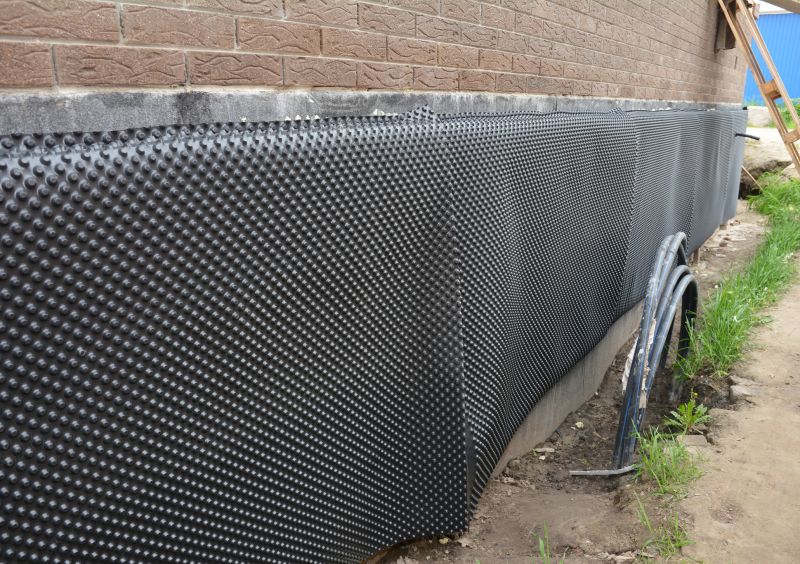
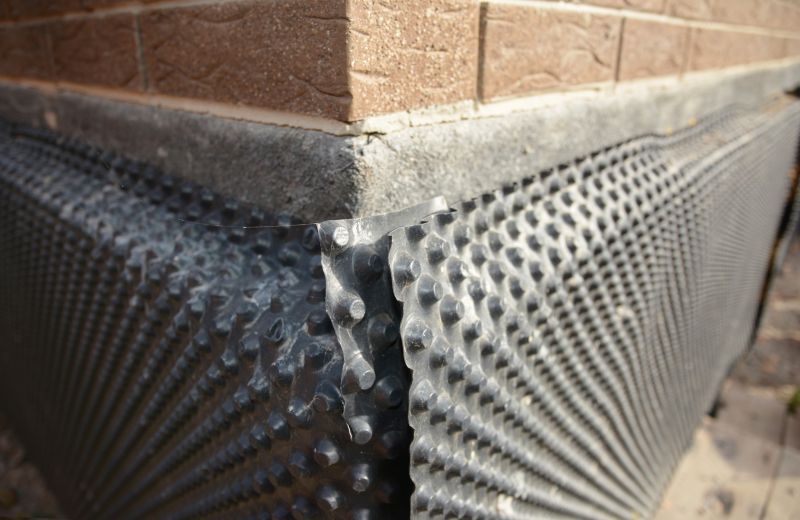
Local service providers specializing in basement waterproofing play a crucial role in addressing the specific needs of older homes. These professionals can assess the condition of existing foundation walls, identify sources of water intrusion, and recommend appropriate waterproofing methods. Whether it involves installing interior or exterior barriers, improving drainage around the property, or sealing cracks and joints, experienced contractors bring practical solutions that help protect older homes from ongoing moisture issues. Connecting with local pros ensures that homeowners receive knowledgeable guidance and quality workmanship tailored to the unique construction and history of their property, ultimately helping to keep basements dry and functional for years to come.
Foundation Repair - foundation repair projects often involve assessing and strengthening older structures, which shares planning and structural skills with waterproofing basements in older homes.
Drainage System Installation - installing effective exterior or interior drainage systems helps prevent water intrusion, a key aspect of waterproofing basements in older homes.
Crawl Space Encapsulation - sealing and insulating crawl spaces involves moisture control techniques similar to those used in basement waterproofing efforts.
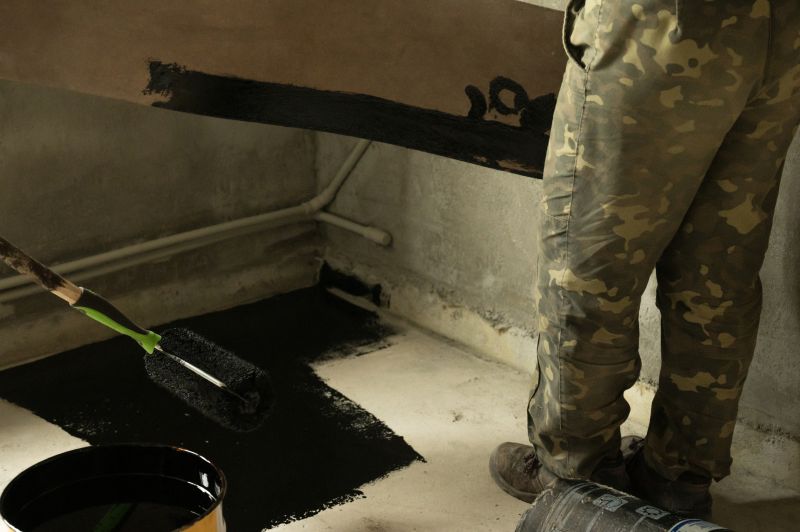
Wall Sealing and Coating - applying sealants or protective coatings to basement walls requires similar surface preparation and application skills as waterproofing in older homes.
Mold and Mildew Remediation - addressing moisture-related issues involves understanding water intrusion sources, closely related to waterproofing basement environments.
Concrete Repair and Restoration - repairing cracks and deteriorated concrete shares techniques with sealing and waterproofing basement walls in older homes.
When evaluating service providers for waterproofing basements in older homes, it is important to consider their experience with similar projects. Older homes often present unique challenges, such as outdated foundation materials or previous waterproofing methods that may no longer be effective. Local contractors with a proven track record of handling basement waterproofing in comparable structures are more likely to understand the specific issues that can arise and know how to address them effectively. Asking about past projects similar to the home in question can provide insight into their familiarity with the complexities involved and their ability to deliver a lasting solution.
Clear, written expectations are essential when comparing basement waterproofing services. A reputable service provider should be able to provide a detailed scope of work, outlining the methods they plan to use, materials involved, and the estimated process for completing the job. This transparency helps homeowners understand what to expect and ensures there are no surprises during or after the project. Clear documentation also serves as a reference point for both parties, making it easier to address any questions or concerns that may arise along the way.
Good communication and reputable references are key factors in selecting a dependable service provider. Local contractors who are responsive, willing to answer questions, and provide straightforward explanations demonstrate professionalism and a commitment to customer satisfaction. Additionally, seeking references or reviews from previous clients can offer valuable insights into the contractor’s reliability, quality of work, and ability to meet deadlines. When homeowners feel confident in a contractor’s communication style and reputation, they can make a more informed choice for their basement waterproofing needs in older homes.
Property owners often search for waterproofing basements in older homes when they are planning practical projects around their homes and businesses. Local pros provide Basement Waterproofing services for everyday jobs and straightforward project options.
Homeowners exploring options for waterproofing basements in older homes often find themselves dealing with common issues like dampness, mold, or water seepage after heavy rains or seasonal changes. These everyday situations can lead property owners to seek out local contractors who specialize in basement waterproofing services. By connecting with experienced service providers in the area, they can explore practical solutions to protect their homes, improve indoor air quality, and prevent potential damage caused by moisture intrusion.
Many property owners turn to local contractors when considering basement waterproofing for older homes because of the unique challenges these properties can present. Older foundations may require tailored approaches to address existing cracks, inadequate drainage, or outdated waterproofing methods. Consulting with local experts ensures that homeowners receive guidance on effective, long-lasting solutions designed to fit the specific needs of their home, helping them maintain a dry, stable basement environment over time.
What are common waterproofing methods for older homes' basements? Local contractors often use techniques like interior sealants, exterior drainage systems, and sump pumps to address waterproofing in older home basements.
Can waterproofing solutions be customized for older homes? Yes, service providers can tailor waterproofing approaches based on the specific foundation conditions and structural features of older homes.
How do local contractors assess the waterproofing needs of an older basement? They typically perform a thorough inspection to identify sources of moisture, existing damage, and potential vulnerabilities unique to older basement structures.
Are there specific challenges when waterproofing basements in older homes? Older homes may have outdated or compromised foundation materials, which can require specialized techniques and careful planning by experienced service providers.
What types of waterproofing systems are suitable for older home basements? Service providers often recommend a combination of interior waterproofing membranes, exterior drainage improvements, and sump systems to effectively protect older basements.
Assessing basement leaks - property owners can identify common leak sources and discuss these findings with local contractors to plan effective waterproofing strategies.
Applying sealants and coatings - homeowners can explore options for sealing basement walls and floors, with local service providers offering suitable waterproofing products and application methods.
Installing drainage systems - property owners might consider adding interior or exterior drainage solutions to redirect water away from the basement, with local pros handling the installation.
Improving exterior drainage - homeowners can evaluate and enhance yard grading and gutter systems to prevent water from pooling near the foundation, supported by local waterproofing specialists.
If you are thinking about waterproofing basements in older homes for a property, this guide is meant to help you understand this topic, the typical project types, and how different options might fit your plans.
When you are ready, you can use the quote form on this page to share a few details about your project. From there, local pros can review the basics and follow up with options that match what you have in mind.